Bachelor of DesignINTERIOR DESIGN
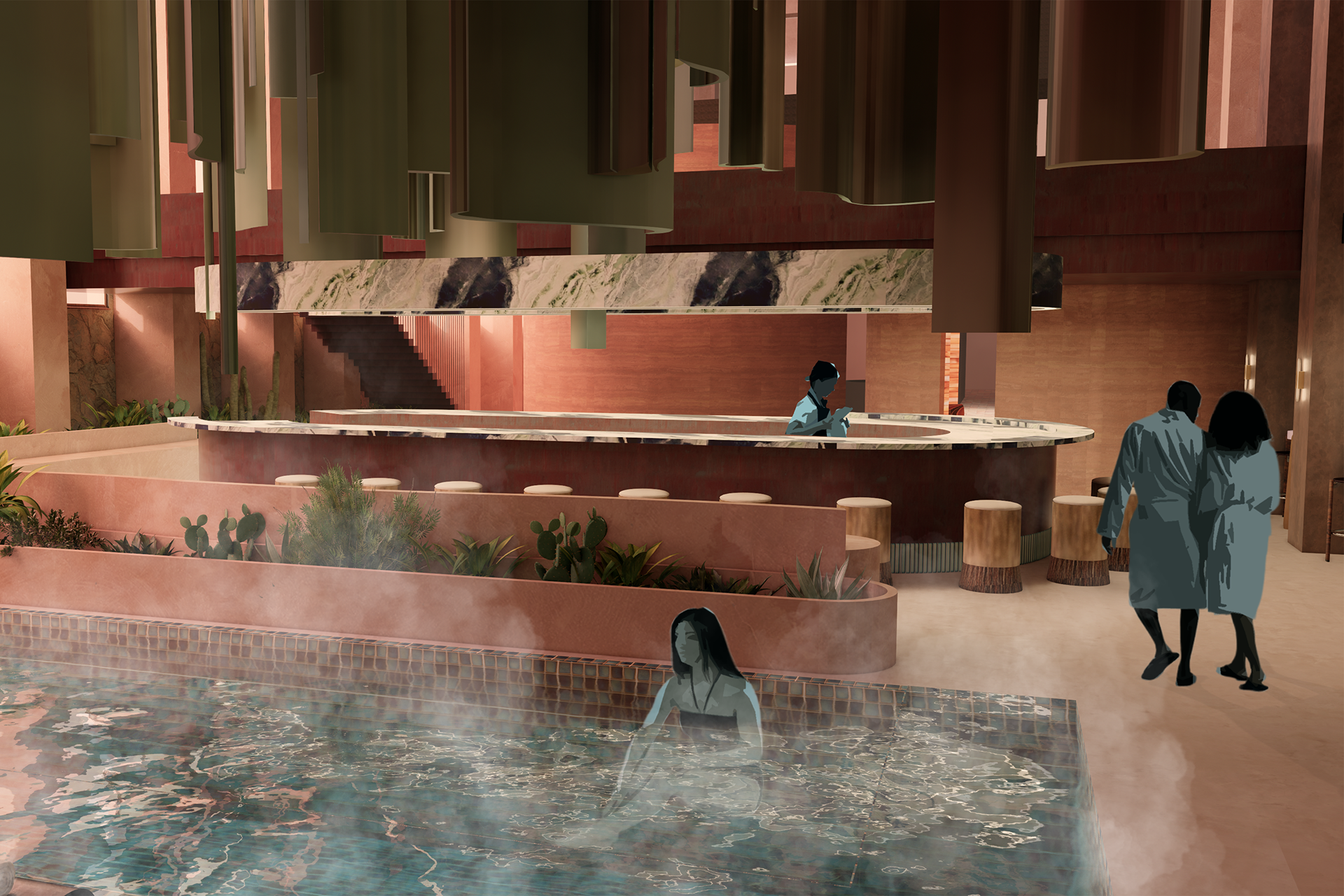
Study Interior Design at Whitehouse and develop the creative and technical skills to design, plan and produce functional, beautiful spaces across residential, commercial and hospitality environments.
COURSE INFORMATION
- Degree:
- Bachelor
- Delivery:
- On Campus
- Next Intake:
- February 2027
- Format:
- Full-Time / Part-Time
- Intakes:
- Feb, Jun, Sept
- Location:
- Sydney, Melbourne, Brisbane
- Duration:
- 2 Years Accelerated
- Tuition:
- FEE-HELP Approved
INTERIOR DESIGN OVERVIEW
The Bachelor of Design with specialisation in Interior Design is a degree unlike any other in Australia, built for those who want to be at the forefront of the interiors industry. Combining spatial planning, materiality, styling and business acumen, this course equips students with the skills to design and deliver commercial and residential spaces that respond to how people actually live and work. Graduates leave with a strong technical foundation, a refined design sensibility and a portfolio that speaks directly to industry.
Why study Interior Design at Whitehouse
Gain hands-on experience designing across residential, retail, hospitality and commercial spaces, building technical drafting and documentation skills the industry demands.
Collaborate on real briefs with Sketchup, Autodesk Revit training and the Adobe Creative Cloud suite, learning to move seamlessly between technical drawing and visual presentation.
Graduate with a standout portfolio and 1,728 contact hours (20+hrs / week) of training behind you, ready to make your mark across Australia's creative industries.

WHY WHITEHOUSE?
#1
FOR SKILLS DEVELOPMENT*
We achieved 92.1% in the QILT Student Experience Survey 2025, the strongest result of any creative arts and design institution in the country.
20+
STUDIO HOURS A WEEK
You'll get real face-to-face studio time, more than double the national average.
INDUSTRY EXPERIENCE
Across your projects you'll work with industry suppliers, showrooms and brand partners.
*QILT Student Experience Survey 2025 when compared to institutions offering creative arts and design courses.
LEARNING OUTCOMES
What you'll learn
- Design and critical thinking, from sketch through to fully rendered perspective
- Sketchup for quickly turning design ideas into visual, buildable concepts
- Industry-standard Autodesk Revit training for 3D modelling, technical drafting and documentation
- Adobe Creative Cloud: Illustrator, InDesign and Photoshop
- Technical documentation covering interior construction and regulation
- Colour theory, composition and decorative product selection
- Space planning, drafting and technical specification
- Professional practice and project management
What you'll graduate with
- A professional portfolio spanning residential, hospitality, retail and commercial interior projects
- Confident technical drafting and documentation skills using industry-standard software
- The ability to take a client brief from concept through to construction-ready specification
- A refined design sensibility grounded in materiality, colour and spatial planning
COURSE STRUCTURE
The Bachelor of Design with specialisation in Interior comprises 18 core subjects (Design Contexts, Digital Design + Illustration for Design) and 12 specialisation subjects (Interior Design + Interior Workshops), at a full-time study load this is delivered across 6 trimesters (2 years). To be awarded the Bachelor of Design, candidates must accrue an aggregate of 288 credit points, including satisfactory completion of all subjects.
The course is offered both full-time and part-time. At a full-time study load, students complete the degree in two years, undertaking five subjects each trimester.
Design core subjects
Design Contexts 1 to 6DC1 to DC6. 6/36 credit points
Builds students' understanding of the cultural, historical and sustainable contexts that frame contemporary design, revealing the broader relationships between design practice and the history and culture of design, art and the marketplace. In the second year, the subject evolves into design in business, marketing and professional contexts.
Digital Design 1 to 6DD1 to DD6. 6/36 credit points
Develops the skills to create professional visual images and a design portfolio for both print and digital. Students use the Adobe Creative Cloud suite, including Photoshop, Lightroom and InDesign, to describe, develop and market their projects, mastering how digital media produces effective, meaningful communication.
Design Illustration 1 to 6ID1 to ID6. 6/36 credit points
Builds the knowledge and skills to create visual images across a variety of illustrative media and styles in support of design projects. Students explore hand and digital illustration to communicate design outcomes, developing a visual language that transcends words and equips graduates to work on a global scale.
Interior Design specialisation subjects
Interior Design 1 to 6DI1 to DI6. 6/36 credit points
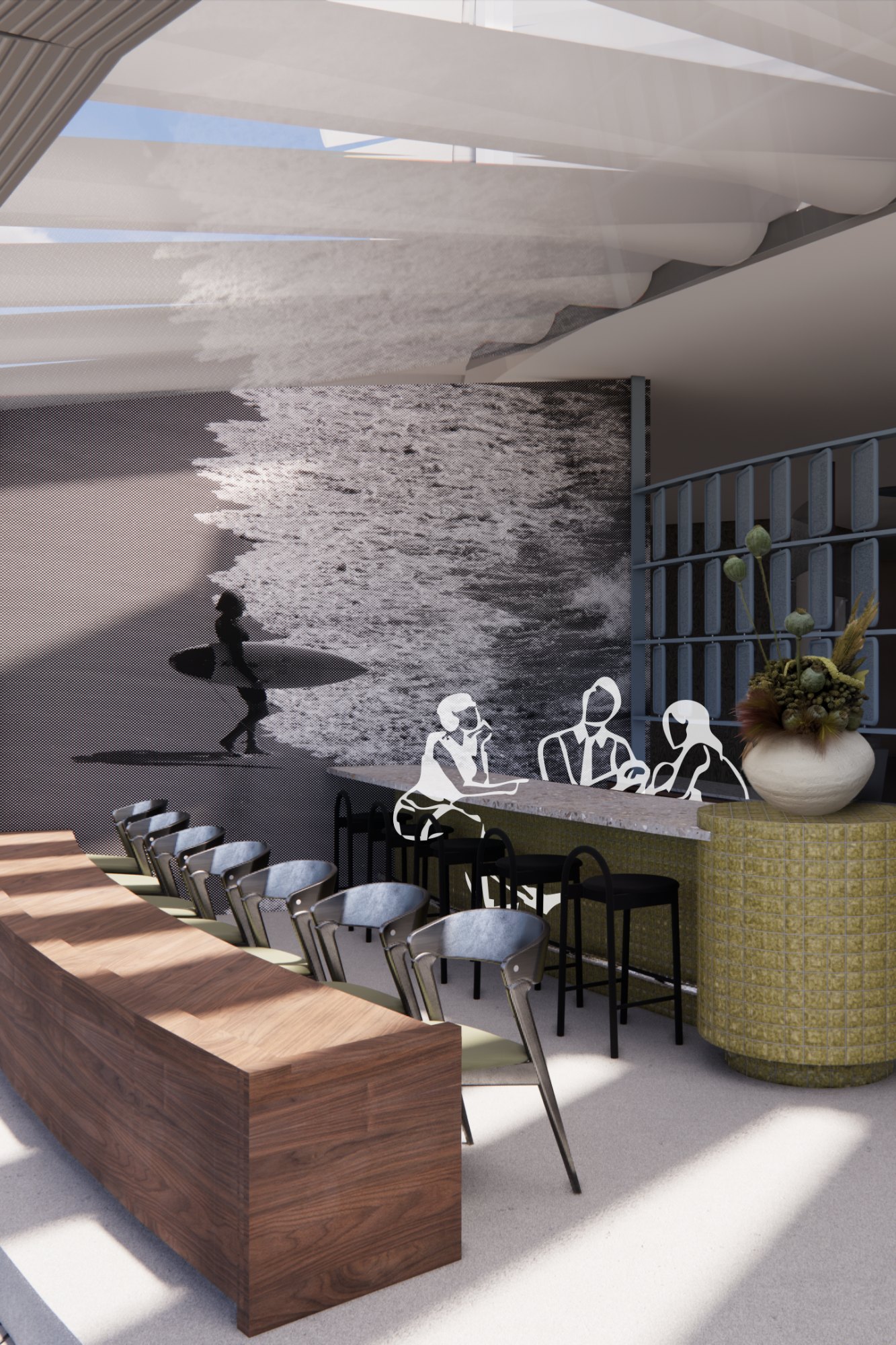
Develops students' ability to interpret a design brief and generate a considered interior design concept in response, applying design theory, spatial planning and materiality across residential, commercial, hospitality and workplace projects. Each trimester centres on developing and pitching a design proposal to a review panel, with the resulting concept carried into Interior Workshop for technical development, documentation and delivery.
Interior Workshop 1 to 6IW1 to IW6. 24/144 credit points
Each trimester integrates and applies learning from every other subject into a major industry-style project, developing both creativity and discipline-specific technical practice. Projects progress from a variety of residential to commercial designs, culminating in a signature project and graduate exhibition.
THE PROJECTS
In this accelerated two-year degree, you'll complete six industry-focused projects in the workshop subjects that mirror the real briefs faced by today's leading interior designers. Each trimester builds toward a major end-of-trimester project, progressing in scale and complexity from residential to commercial design.
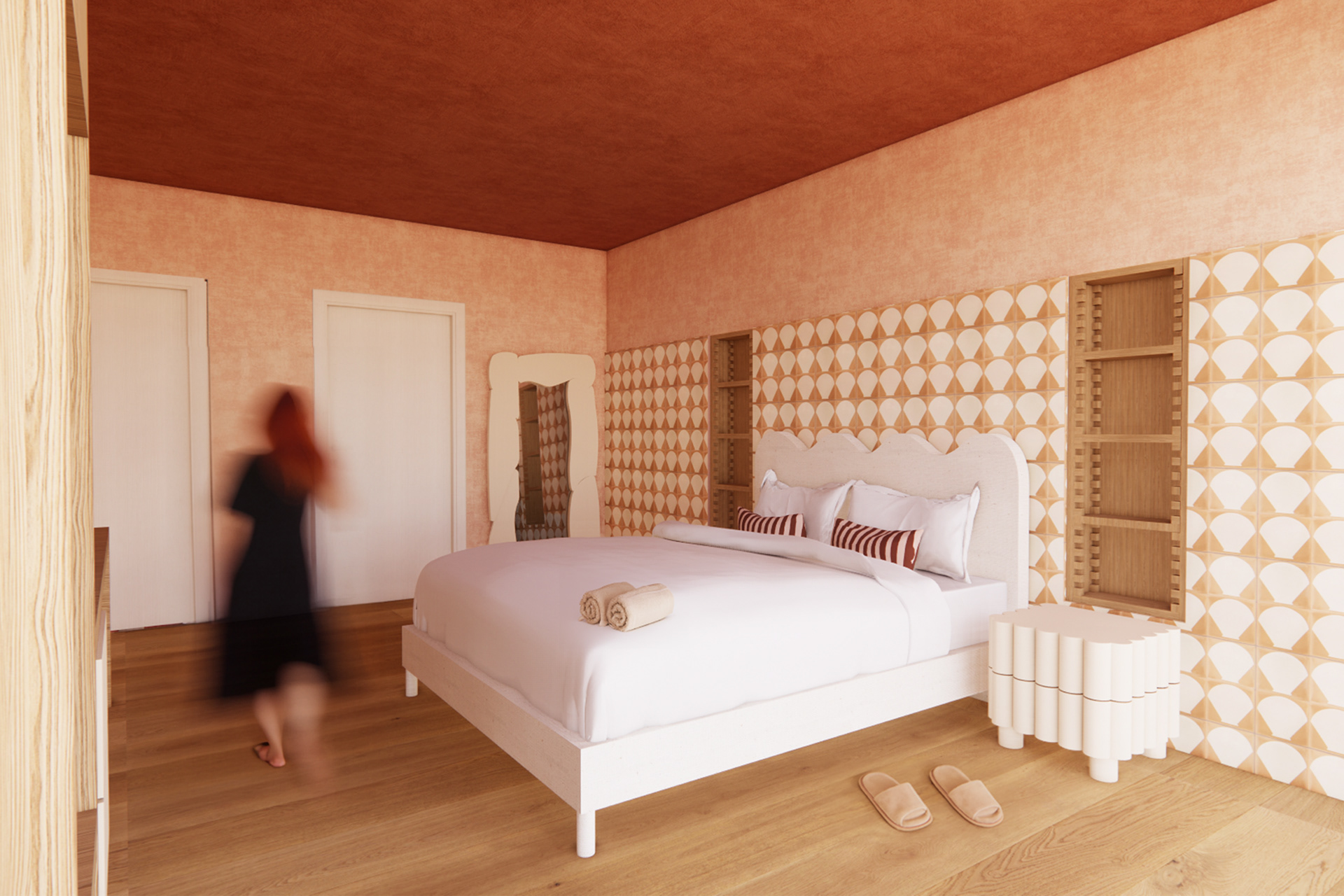
Trimester One
Residential Foundations
Students design a primary bedroom, ensuite and walk-in wardrobe, incorporating trend forecasting alongside foundational spatial planning and documentation skills.
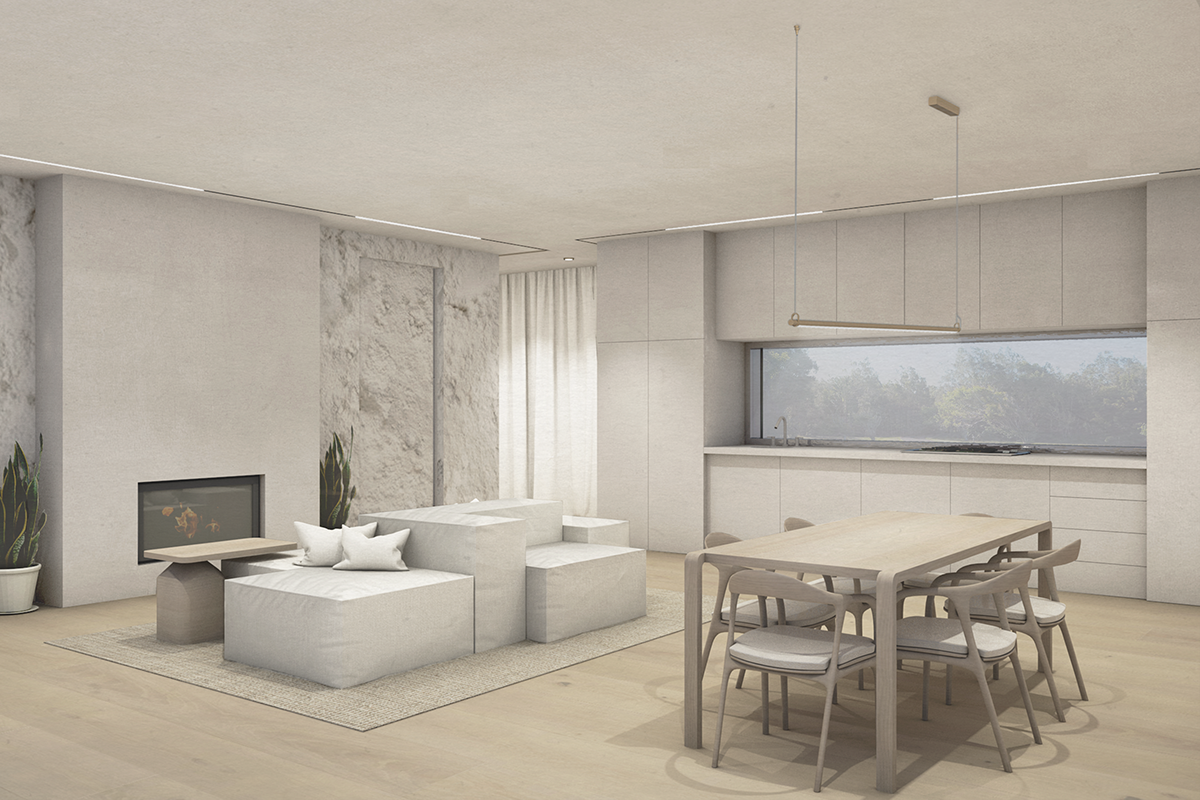
Trimester Two
Luxury Residential Apartment Design
Students design a full luxury residential apartment, developing their skills in materiality, layout and high-end finish specification.

Trimester Three
Multi-Space Interior Design
Students take on a multi-space interior design project with a strong focus on advanced colour theory and print, translating a design concept into a cohesive, fully documented residential scheme. Introduction to Revit drafting.

Trimester Four
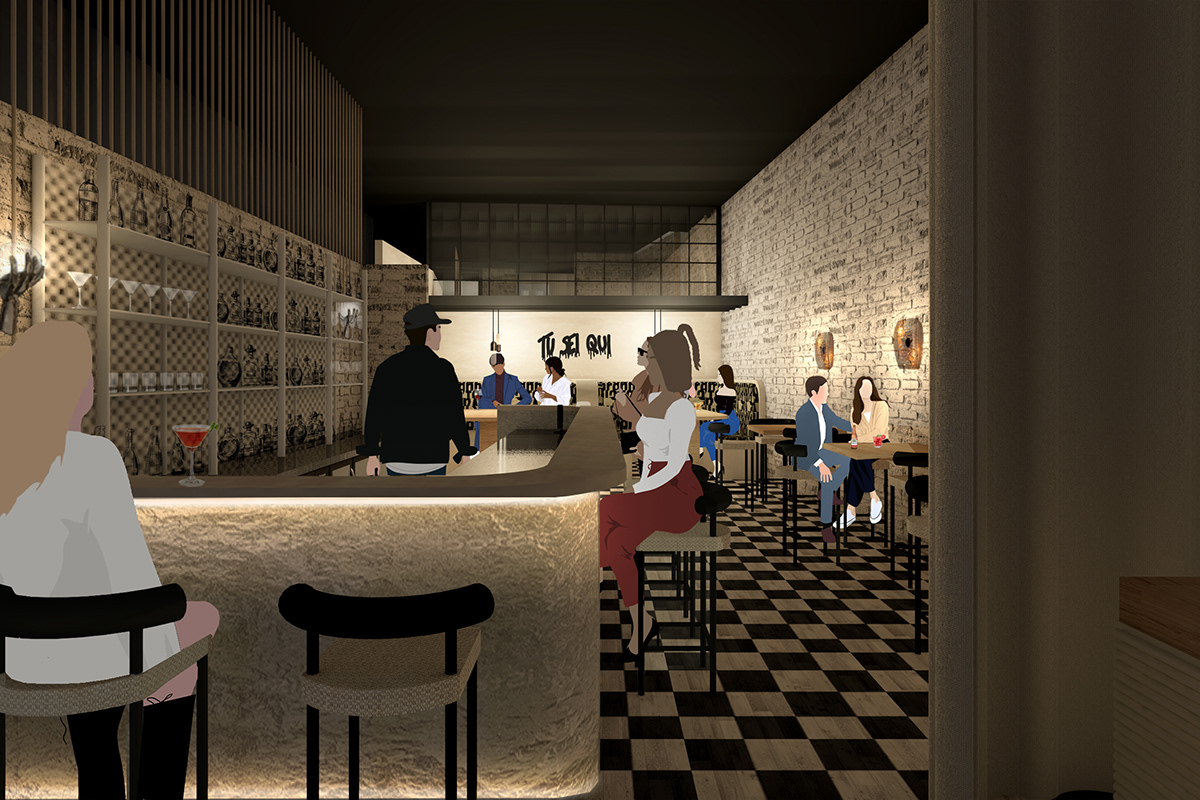
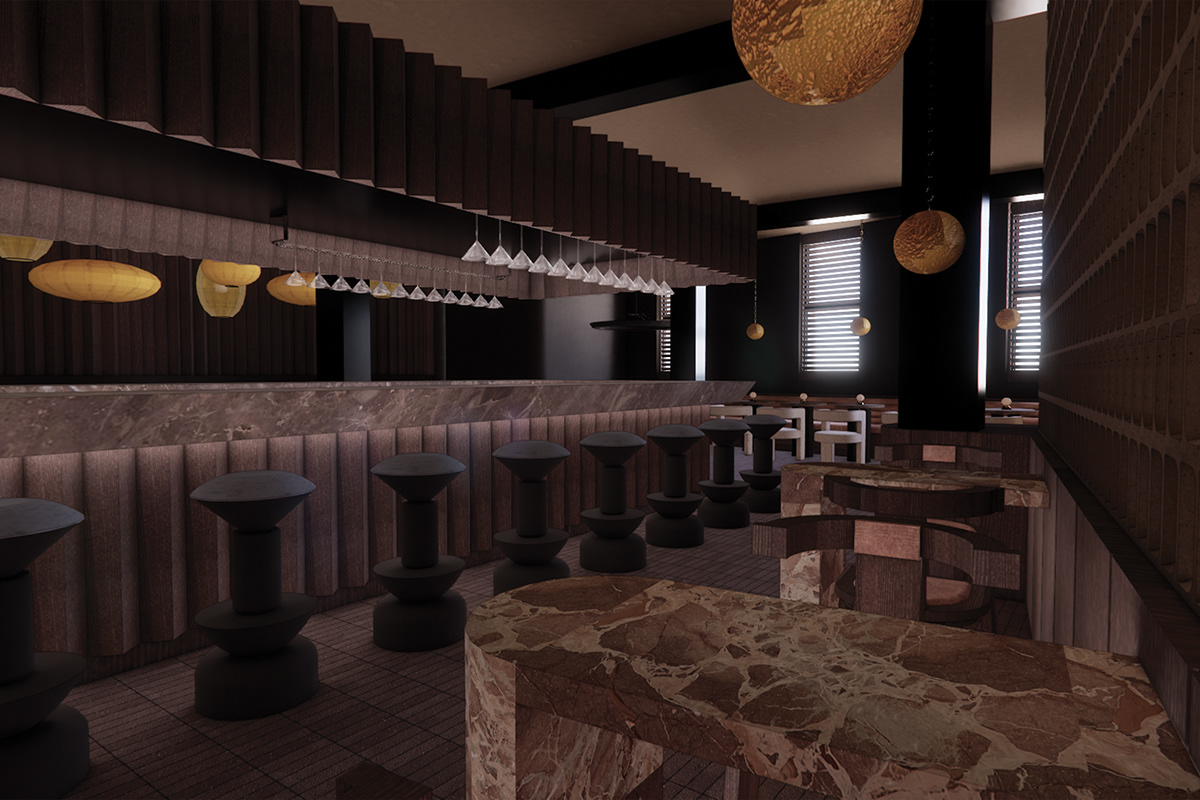
Commercial Hospitality & Retail Design
Students design a commercial hospitality or retail space, with an emphasis on technical drafting and construction documentation. Further development of Revit drafting skills.
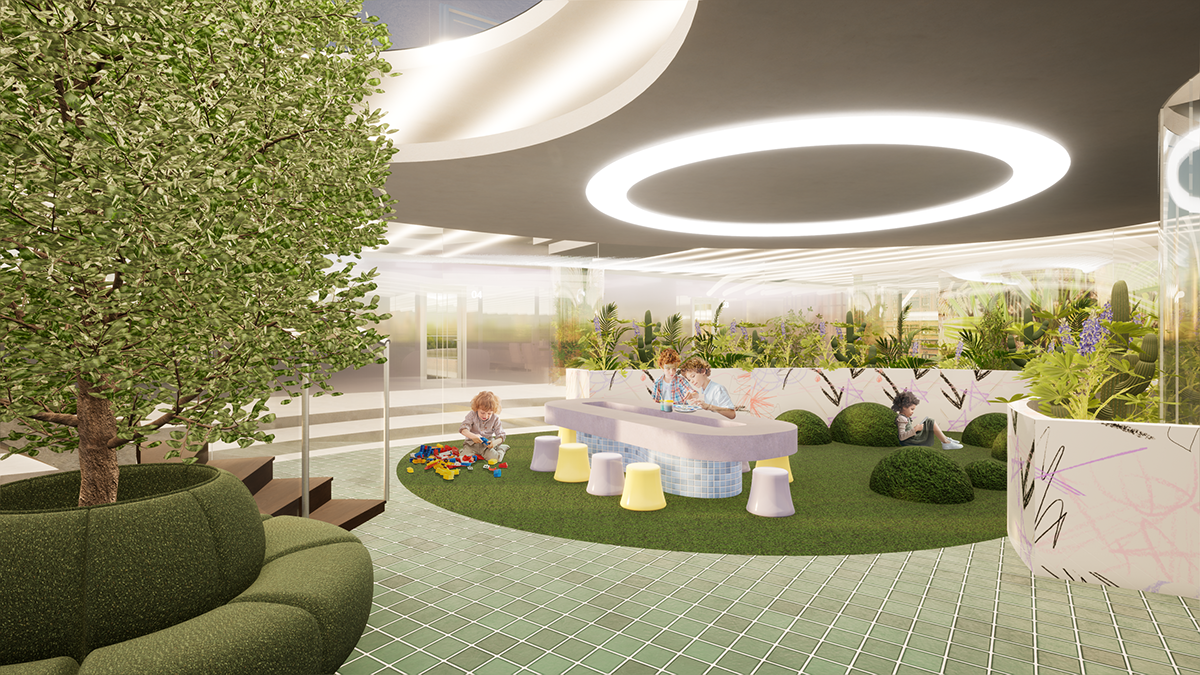
Trimester Five
Commercial Office Design
Students design a commercial office space, balancing brand identity, function and workplace experience. Students define their aesthetic for their Signature Graduate Project.

Trimester Six
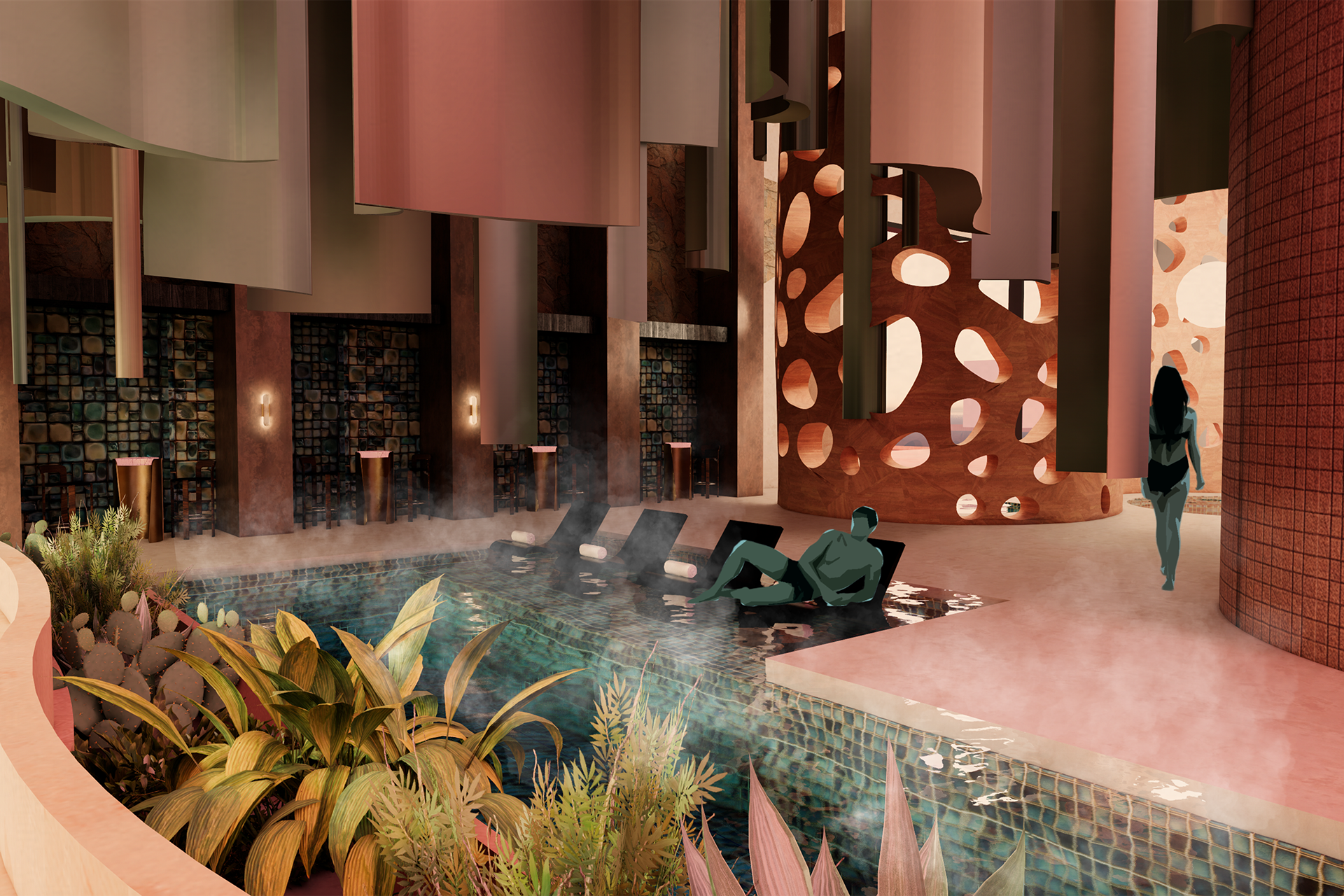
Signature Graduate Project
In this final capstone project, students conceive, document and present a complete original interior design project from concept through to a finished, presentation-ready portfolio, exhibited at the annual Graduate Exhibition.

CAREER OUTCOMES
Interior Design is one of the most versatile qualifications in the design industry. Our graduates go on to work as Interior Designers across residential, commercial and corporate projects, plus a wide range of related creative and technical fields.
Graduates go on to work as
Design & studio practice
Interior Designer / Spatial Designer / Design Manager
Product & materials
Furniture Designer / Interior Product Designer / Textile Designer / Model Maker
Commercial & specialist
Commercial Designer / Hospitality Designer / Showroom Manager / CAD Engineer
Media & creative
Lighting Designer / Set Designer (TV & Theatre) / Interior Stylist (Magazines) / Exhibition Designer
Featured alumni

SPACES TO DESIGN
interior designers in Australia
18,800
new jobs every year
+700
new homes by 2029
1.2m
Sources: Jobs and Skills Australia, Interior Designers (May 2025); Treasury, National Housing Accord; Property Council and CBRE, 2026 Queensland Hotels Outlook.
“...Enrolling in the Whitehouse Interior Design program not only changed my career, but also my life.”
FACILITIES
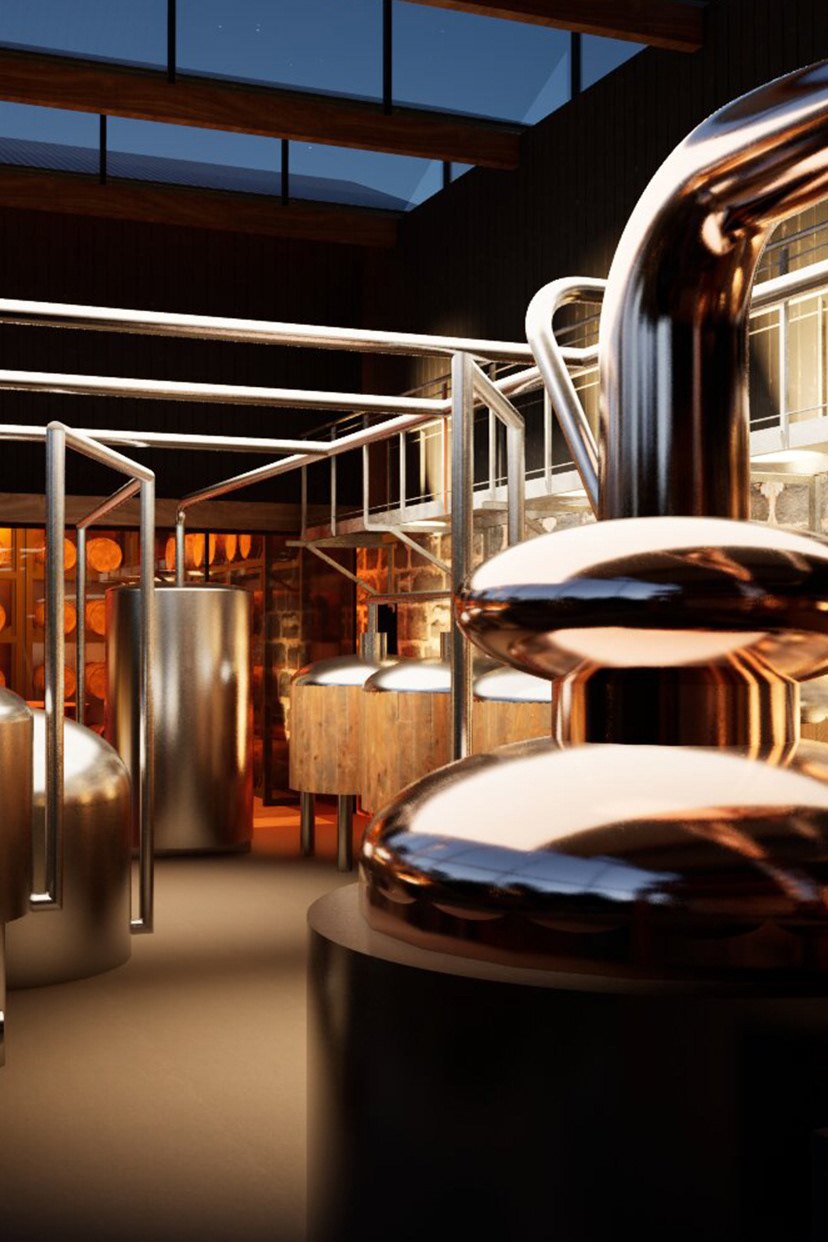
With purpose-built design campuses in Sydney, Melbourne and Brisbane, Whitehouse students work within professional-standard environments designed around the way the industry actually operates. Not lecture halls, but studios, workshops and resources you'll use in your specialisation every week.
Professional design studiosAdobe Creative Cloud suiteIndustry partnerships and sourcing networkResearch servicesView detailsHide details
Professional design studios
Fully-equipped studios and computer labs give you the space to move between manual and digital design methods - from technical drawing to 3D designs to digital documentation using industry-standard tools such as SketchUp, AutoDesk Revit. Every interior design student receives free access to these tools for the duration of their studies (Revit is normally about $4.4k per year).
Adobe Creative Cloud suite
Every student receives free access to the full Adobe Creative Cloud suite, giving you the same tools used across professional design. From week one you'll work in Photoshop, InDesign and Illustrator.
Industry partnerships and sourcing network
Interior Design happens through relationships, and Whitehouse connects students to the network professionals rely on. Across your projects you'll engage with industry suppliers, hire companies, fabric and materials specialists, showrooms and brand partners, learning how to source, negotiate and pull together everything an interior design project demands. Access to industry specialists means the briefs you work on mirror real production conditions, so you graduate already knowing how to build and manage the collaborations behind a professional creative outcome.
Research services
Interior Design students draw on industry-grade trend-forecasting services and a specialist design library, developing the research rigour behind every strong creative decision, from mood and colour direction to sourcing and concept.
Whitehouse continually updates and expands its resources to ensure every student has extensive design research support throughout their degree.
FEES
Domestic fees
All Design courses are FEE-HELP eligible for domestic students. No upfront payment for tuition fees needed if eligible.
| 2026 | |
|---|---|
| Trimester Tuition Fee (full-time study) | $14,610 |
| Indicative Average Unit Fee (5 units) | $2,922 |
Fees exclude course materials and technical kits.
International fees
See the International section for information on international fees.
HOW TO APPLY
To apply for the Bachelor of Design with specialisation in Interior Design, submit a direct application through the Whitehouse Institute of Design website.
Whitehouse has no application fees.
Important dates
Applications for Whitehouse's Bachelor of Design with specialisation in Interior Design are open year-round, with three main intakes each year - February, June and September. Applications typically open within 6 to 12 months of the intake commencing. We recommend applying early to secure your preferred campus and start date.
Entry requirements
- ATAR
- No ATAR required
- Academic
- Completion of Year 12 or equivalent
- Design Meeting
- All applicants attend a Design Meeting
- Portfolio
- All applicants provide a portfolio
Here are the main requirements to get you started. The full entry requirements are in the links below, and our team is happy to talk them through.
In addition to standard entry requirements, international students must have a minimum level of English language skills as well as a valid and appropriate visa for studying in Australia.
FAQS
What is the Bachelor of Design in Interior Design at Whitehouse?
The Bachelor of Design with specialisation in Interior Design is a degree at Whitehouse Institute of Design that combines spatial planning, materiality, styling and business acumen. It is delivered on campus in Sydney, Melbourne and Brisbane, and you graduate with a strong technical foundation and a portfolio that speaks directly to industry.
How long is the Bachelor of Design in Interior Design at Whitehouse?
The Whitehouse Bachelor of Design in Interior Design is a 2 year accelerated degree, delivered across 6 trimesters at a full-time load of five subjects per trimester, and it is also offered part-time. It comprises 18 core subjects and 12 Interior Design specialisation subjects, totalling 288 credit points.
When are the intakes for the Bachelor of Design in Interior Design?
Whitehouse has three main intakes each year for the Bachelor of Design in Interior Design, in February, June and September. Applications are open year-round and typically open 6 to 12 months before the intake starts, so applying early helps you secure your preferred campus and start date.
What will I learn in the Bachelor of Design in Interior Design?
You will learn space planning, drafting and technical specification, technical documentation covering interior construction and regulation, colour theory and decorative product selection, and professional practice and project management. You train in SketchUp, Autodesk Revit and Adobe Creative Cloud (Illustrator, InDesign and Photoshop), and every Whitehouse interior design student gets free access to SketchUp and Revit for the duration of their studies (Revit is normally about $4.4k per year).
What projects will I complete in the Bachelor of Design in Interior Design?
You complete six industry-focused projects, one each trimester, progressing from residential to commercial design: Residential Foundations, Luxury Residential Apartment Design, Multi-Space Interior Design, Commercial Hospitality and Retail Design, Commercial Office Design, and a Signature Graduate Project exhibited at the annual Graduate Exhibition. Each trimester you pitch your design proposal to a review panel, with 20+ hours of face-to-face studio time a week.
Do you learn graphic design in the Bachelor of Design in Interior Design?
There is a lot of overlap, as the Digital Design subject is best described as a graphic design course within your degree. You develop core graphic design principles using Adobe Creative Cloud, including Photoshop, Lightroom and InDesign, and apply them directly to your interior design projects across print and digital formats.
What jobs can I get with a Bachelor of Design in Interior Design?
Whitehouse Interior Design graduates go on to work as Interior Designers across residential, commercial and corporate projects, and in roles such as Spatial Designer, Design Manager, Furniture Designer, Hospitality Designer, CAD Engineer, Lighting Designer and Exhibition Designer. You graduate with a professional portfolio spanning residential, hospitality, retail and commercial interiors, and alumni include Bradhly Le, a Designer at Hassell.
What are the entry requirements for the Bachelor of Design in Interior Design?
No ATAR required. You need to have completed Year 12 or equivalent, attend a Design Meeting and provide a portfolio, and international students also need a minimum level of English and a valid visa for studying in Australia.
Do I need an ATAR to study Interior Design at Whitehouse?
No. No ATAR required: all Whitehouse courses, including the Bachelor of Design in Interior Design, have no ATAR requirement, as an ATAR does not assess how well a student will succeed creatively.
What is a creative portfolio for the Bachelor of Design?
A creative portfolio is a selection of your best work, usually 4 to 6 examples, in mediums such as illustration, digital design, photography, film, creative writing, textile design or fine art. Whitehouse uses it to assess your creative potential, looking for an understanding of design, innovative thinking and the ability to develop ideas independently.
What if I don't have a creative portfolio?
If you don't have a creative portfolio or have questions about yours, call Whitehouse on 1300 551 433 or email study@whitehouse-design.edu.au. Whitehouse also runs short workshops throughout the year that help applicants develop their portfolio.
What high school subjects are recommended for the Bachelor of Design?
Recommended Year 11 and 12 subjects include Design and Technology, Visual Arts, Visual Communication, Textiles and Design, and Modern or Ancient History, but Whitehouse has no compulsory prerequisite subjects. The Certificate III in Design Fundamentals, which you can take in Year 10, 11 or 12, offers its graduates direct entry into the Bachelor of Design.
How much does the Bachelor of Design in Interior Design cost, and is FEE-HELP available?
In 2026 the trimester tuition fee for full-time study is $14,610, with an indicative average unit fee of $2,922 (based on 5 units), and fees exclude course materials and technical kits. The course is FEE-HELP approved, so eligible domestic students need no upfront tuition payment.
FEE-HELP limits apply. Check the latest limits and eligibility on the Australian Government's StudyAssist website.
Can I get academic credit for previous study or a Diploma?
Yes. Whitehouse may award credit for accredited subjects from another provider or relevant industry experience, and Advanced Standing to students who have completed courses in a similar field, which can mean direct entry into study period two, three or four of the Bachelor of Design. If advanced standing is awarded, the length of your study may be reduced.
Can I defer my enrolment in the Bachelor of Design?
Yes. If you have received an offer but aren't ready to start, you can defer to the next intake without reapplying, as long as you do so before the census date.
Can I talk to someone about my application?
Yes, absolutely. Call Whitehouse on 1300 551 433, email study@whitehouse-design.edu.au or book a campus tour, and when you're ready, apply directly on the Whitehouse website with no application fee.
What AQF level is the Bachelor of Design, Interior Design?
The Bachelor of Design, Interior Design is an AQF Level 7 qualification, the level for bachelor degrees under the Australian Qualifications Framework. It is a higher education award delivered by Whitehouse Institute of Design and is FEE-HELP approved.
Still have questions? Call 1300 551 433.
NEXT STEPS
Speak with admissions
Our admissions team can guide you with personalised advice and next steps.
Enquire Now